Source Car Side Steps with Roof Rack for SUVs, Trucks, and Off-Road Vehicles
Explore 30 listings for Car Side Steps with Roof Rack designed for Toyota and Land Rover models. Buyers can compare materials like stainless steel and aluminum alloy, fitment types, and supplier details to find the right accessories for their vehicles.
Key considerations
Products List
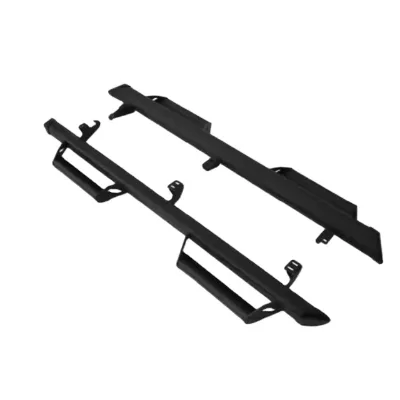
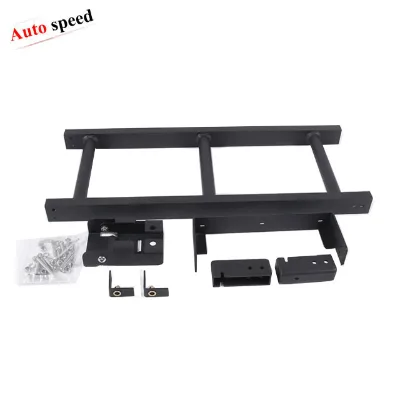
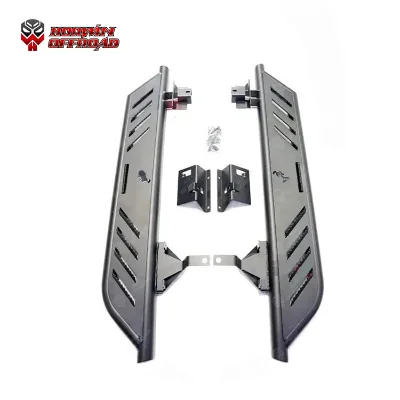


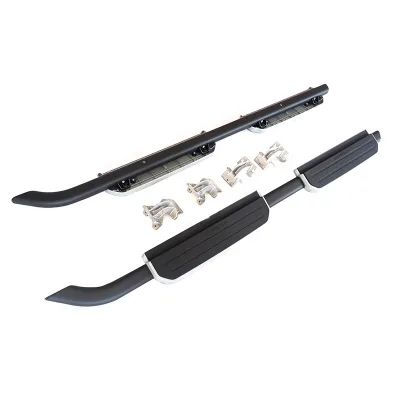


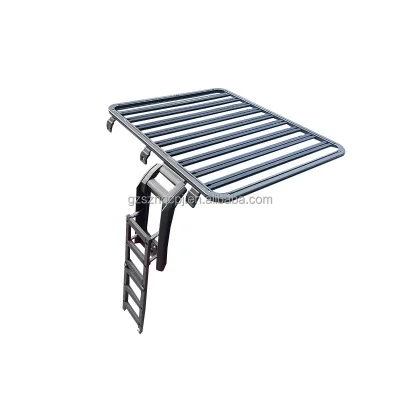


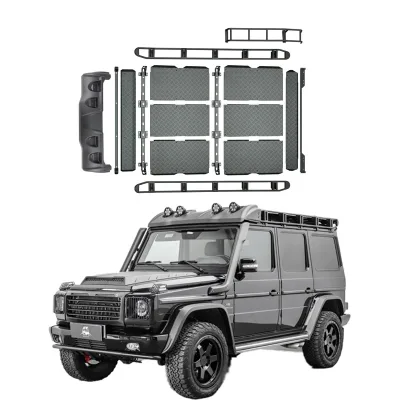
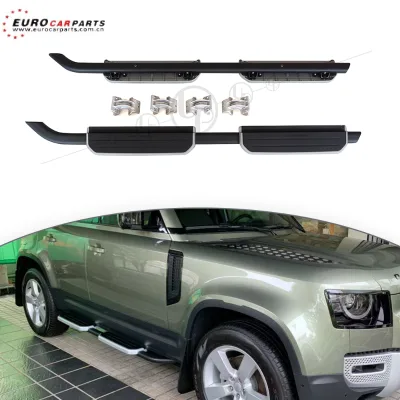


Comprehensive Sourcing Guide
Strategic Sourcing Guide for Vehicle Side Steps and Roof Rack Integration
The automotive aftermarket sector continues to demonstrate robust demand for functional exterior enhancements, with vehicle side steps and roof rack systems representing critical categories for both off-road enthusiasts and commercial fleet operators. For procurement professionals, the complexity of sourcing these components lies not merely in identifying a supplier, but in navigating a fragmented landscape of materials, fitment specifications, and regional manufacturing capabilities. This guide provides a disciplined framework for evaluating suppliers and products, grounded in the specific attributes observed in current market listings. Buyers must approach this category with a clear understanding that "side step" and "roof rack" are often distinct product lines, though they share common supply chain dynamics regarding vehicle compatibility and material durability.
Technical Specifications and Material Integrity
The foundational decision in sourcing side steps involves the selection of raw materials, which directly dictates the product's lifespan, weight, and aesthetic appeal. Market observations reveal a distinct divergence in material composition among suppliers. Stainless steel is frequently cited as a primary material for side steps, offering superior corrosion resistance and a high-gloss finish that resists rust in harsh environments. In contrast, aluminum alloy variants are also prevalent, often marketed for their lightweight properties which can improve fuel efficiency and handling, particularly for larger vehicles like the Toyota 4Runner. Steel, specifically mentioned in listings for heavy-duty applications such as tail ladders and rear steps, provides a different value proposition focused on structural rigidity rather than weight reduction.
When evaluating technical specifications, buyers must scrutinize the "Car Fitment" and "Car Model" data points. The market contains specific listings for the Toyota 4Runner, indicating a high volume of demand for this platform, while other entries target the Land Rover Defender, spanning model years from 1983 to the present. This wide year range suggests that some suppliers utilize universal mounting systems or extensive customization capabilities, whereas others produce model-specific brackets. The "Model Number" serves as a critical unique identifier; for instance, specific SKUs like AS-AC-4RUN-2074 or HO-4R-3002 allow for precise tracking of inventory and compatibility. Procurement teams should verify that the model number provided in the quotation matches the exact vehicle chassis and year to avoid fitment failures. Furthermore, the "Position" attribute, often listed as "Body," confirms that the component is designed for side mounting rather than roof integration, a distinction that is vital when the core search query includes "roof rack." While side steps and roof racks are often purchased together, they are rarely manufactured as a single integrated unit by the same supplier, requiring a coordinated sourcing strategy.
Compliance, Certification, and Regulatory Verification
In the absence of explicit certification data in the provided product listings, buyers must adopt a proactive verification stance regarding regulatory compliance. The "Place of Origin" is a significant indicator of the regulatory environment; listings indicate manufacturing in Zhejiang and Jiangsu provinces in China. While these regions are major hubs for automotive parts, the specific compliance standards (such as ISO 9001 for quality management or specific vehicle safety standards) are not explicitly confirmed in the general product descriptions. Buyers should not assume that a product labeled "High Quality" or "100% New" inherently meets the safety regulations of their target market, such as the FMVSS in the United States or ECE regulations in Europe.
The "Condition" attribute, consistently listed as "New" or "100% New," is a basic requirement but does not substitute for third-party testing. For roof rack systems, which bear dynamic loads, and side steps, which support human weight, structural integrity is paramount. Since specific test results or load-bearing certifications are not observed in the supplied facts, the procurement process must include a request for independent engineering reports or material safety data sheets. The "Fitment" attributes, described as "Excellent" or "Perfect," are subjective marketing terms rather than objective compliance metrics. A rigorous sourcing protocol requires the buyer to demand proof of fitment accuracy through CAD drawings or physical prototype testing before committing to a bulk order. Additionally, the "Payment Terms" observed, such as T/T or LC, are standard financial instruments but do not guarantee product quality; they should be structured to include retention clauses that protect the buyer until quality acceptance is verified.
Cost Drivers and Pricing Dynamics
The pricing landscape for vehicle side steps and related accessories is highly variable, influenced by material costs, manufacturing complexity, and order volume. The observed price range in the market spans from $13 to $1,950 USD. This extreme variance suggests that the lower end of the spectrum may represent basic, single-item components or accessories with minimal branding, while the higher end likely encompasses premium, multi-piece kits, or specialized heavy-duty systems. The "Selling Units" attribute, often listed as "Single item," indicates that pricing may be per unit rather than per set, which can lead to confusion if not clarified during the RFQ process.
Several factors drive these costs. The "Material" choice is the primary driver; stainless steel and aluminum alloy generally command higher prices than standard steel due to processing costs and raw material value. The "Style" attribute, ranging from "Luxury" to "no" style, also impacts pricing, as aesthetic finishing and powder-coating processes add to the unit cost. Furthermore, the "MOQ" (Minimum Order Quantity) varies significantly, with observed ranges from 1 to 100 sets, though specific listings mention an MOQ of 5 sets. Buyers must balance the need for inventory against the capital outlay required to meet these thresholds. The "Lead Time" is another critical cost driver; observed delivery times range from 15 to 30 days. Longer lead times can impact supply chain continuity and increase the need for safety stock, indirectly raising the total cost of ownership. The "Price" attribute being listed as "Lowest" is a common marketing claim that requires independent verification against market benchmarks to ensure value.
Typical Applications and Vehicle Compatibility
Understanding the specific applications of side steps and roof racks is essential for matching the right product to the right vehicle. The data indicates a strong focus on off-road and utility vehicles. The "Car Fitment" for the Toyota 4Runner and Land Rover Defender highlights a market segment that prioritizes durability and accessibility. For the Toyota 4Runner, side steps serve as a critical entry aid for taller vehicles, while the "Tail Ladder + Rear Step" configuration suggests a dual-purpose design for climbing and cargo access. The "Function" attribute, listed as "Regular," implies standard utility without specialized modifications, suitable for general off-road use.
The "Year" range of 1983 to present for certain Land Rover models indicates that suppliers are catering to both vintage and modern fleets. This longevity requires a robust supply chain capable of supporting legacy parts alongside current models. The "Customization" attribute, noted as "Available," and "Colors" that "Depend on Customer," suggest that many suppliers offer bespoke solutions for fleet operators who require specific branding or color matching. This flexibility is particularly valuable for commercial applications where vehicle uniformity is a corporate standard. However, the "Size" attribute being listed as "NO" or "Standard" in some entries necessitates careful measurement verification by the buyer to ensure the physical dimensions align with the vehicle's geometry. The "Single package size" of 169x21x16 cm provides a concrete data point for logistics planning, indicating that these items are bulky and require significant freight space.
Supplier Evaluation and Quality Assurance
Evaluating suppliers in this sector requires a multi-dimensional approach that goes beyond the basic product attributes. The "Brand Name" varies from established entities like "Autospeed" and "HW Offroad" to generic identifiers like "AS." While brand reputation can be a proxy for quality, it is not a guarantee. The "Quality" attributes, described as "High Quality" or "High Level," are subjective and must be validated through objective means. Buyers should prioritize suppliers who provide detailed "Service" descriptions, such as "Professional Service," which often correlates with better after-sales support and technical assistance.
The "Packing" and "Package" attributes, such as "Standard Carton Box" or "carton," are critical for assessing shipping safety. Given the "Single gross weight" of 15.000 kg for some items, the packaging must be robust enough to prevent damage during transit. The "Condition" being "New" is a baseline, but the "Customization" availability suggests that the supplier has the manufacturing flexibility to meet specific requirements. A key evaluation metric is the "Delivery time" consistency. With observed lead times of 15-30 days or 30 days, buyers must assess the supplier's ability to meet these timelines consistently. Reliability in delivery is often more valuable than a marginally lower price, as delays can disrupt fleet operations or retail inventory cycles. The "Payment" terms of T/T or LC indicate a standard B2B transaction environment, but the specific terms should be negotiated to align with the supplier's reputation and the buyer's risk tolerance.
Long-Term Procurement and Supply Chain Resilience
Sourcing vehicle side steps and roof racks is not a one-off transaction but a long-term strategic initiative. The "Lead Time" of 30 days observed in the market highlights the need for advanced planning. Buyers should establish a relationship with suppliers that can scale production as demand fluctuates. The "Customization" capability is a significant asset for long-term partnerships, allowing for product evolution as vehicle models change. The "Place of Origin" in Zhejiang and Jiangsu suggests a concentration of manufacturing expertise, but buyers should consider diversifying their supplier base to mitigate geopolitical or logistical risks.
The "Model Number" diversity, with entries like MAXP067 and HO-4R-3002, indicates a fragmented product catalog. A successful procurement strategy involves consolidating these SKUs into a manageable portfolio that aligns with the buyer's vehicle fleet. The "Service" aspect, including "Professional Service," becomes increasingly important as the product lifecycle extends. Buyers should inquire about warranty policies and the availability of replacement parts, which are not explicitly detailed in the current data but are critical for long-term ownership. Finally, the "Price" being "Lowest" is a dynamic variable; buyers should focus on total cost of ownership, including shipping, duties, and potential returns, rather than just the unit price. By maintaining a disciplined approach to verification and relationship management, procurement teams can secure a reliable supply of high-performance vehicle accessories that meet the rigorous demands of modern transportation.
FAQs
What materials are used for Car Side Steps with Roof Rack?
Car Side Steps with Roof Rack are commonly made from stainless steel, aluminum alloy, or steel. Stainless steel offers superior corrosion resistance, while aluminum alloy provides lightweight durability for vehicles like the Toyota 4Runner. Steel is often used for heavy-duty applications such as tail ladders.
Which car models fit these side steps and roof racks?
These products fit specific models like the Toyota 4Runner and Land Rover Defender. Listings indicate compatibility with the Toyota 4Runner and Land Rover Defender models ranging from 1983 to the present. Buyers must verify the exact model number to ensure precise fitment.
How long is the lead time for sourcing these parts?
The lead time for sourcing these parts typically ranges from 15 to 30 days. Some suppliers specify a delivery time of 15-30 days, while others may require up to 30 days for production. This duration impacts supply chain planning and inventory management.
Can I customize the color and style of these side steps?
Yes, customization is available for color and style depending on customer requests. Some listings note that colors depend on the customer and customization is available. This allows fleet operators to match specific branding or aesthetic requirements for their vehicles.
What is the minimum order quantity for these side steps?
The minimum order quantity varies, with some listings requiring 5 sets. Observed MOQ ranges span from 1 to 100 sets across different suppliers. Buyers should confirm the specific MOQ before placing an order to ensure it aligns with their procurement needs.
Where are these side steps and roof racks manufactured?
These products are manufactured in China, specifically in Zhejiang and Jiangsu provinces. Listings indicate the place of origin as Zhejiang or Jiangsu. These regions are major hubs for automotive parts production, offering various material options and manufacturing capabilities.
What payment terms are accepted for these automotive parts?
Accepted payment terms include T/T and LC for these automotive parts. Some suppliers also list T/T or LC as standard payment methods. These terms are typical for B2B transactions and should be negotiated to align with the supplier's reputation and risk tolerance.